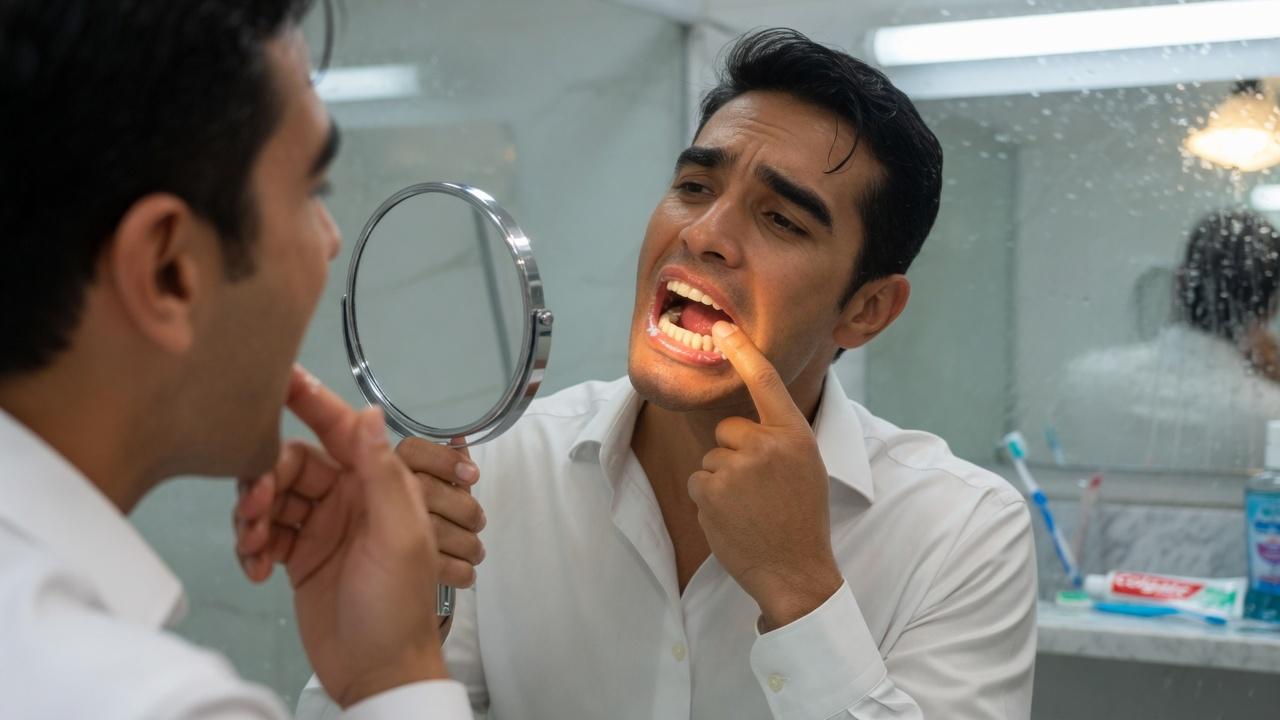
Few things are more unsettling than wiggling a tooth with your tongue and feeling it move. As adults, our teeth are supposed to be rock-solid. When they start to feel loose, it’s natural to panic.
The truth is, loose teeth in adults are rarely caused by simple things like a childhood accident. More often, they signal an underlying problem that needs prompt attention. The earlier you address it, the better your chances of saving the tooth — and protecting the rest of your smile.
Why Teeth Become Loose in Adults
Unlike baby teeth, adult teeth are anchored firmly into the jawbone by roots and supported by a network of ligaments and gum tissue. When this support system weakens, teeth can start to feel loose.
Here are the most common causes:
1. Gum Disease (Periodontitis) – The #1 Culprit
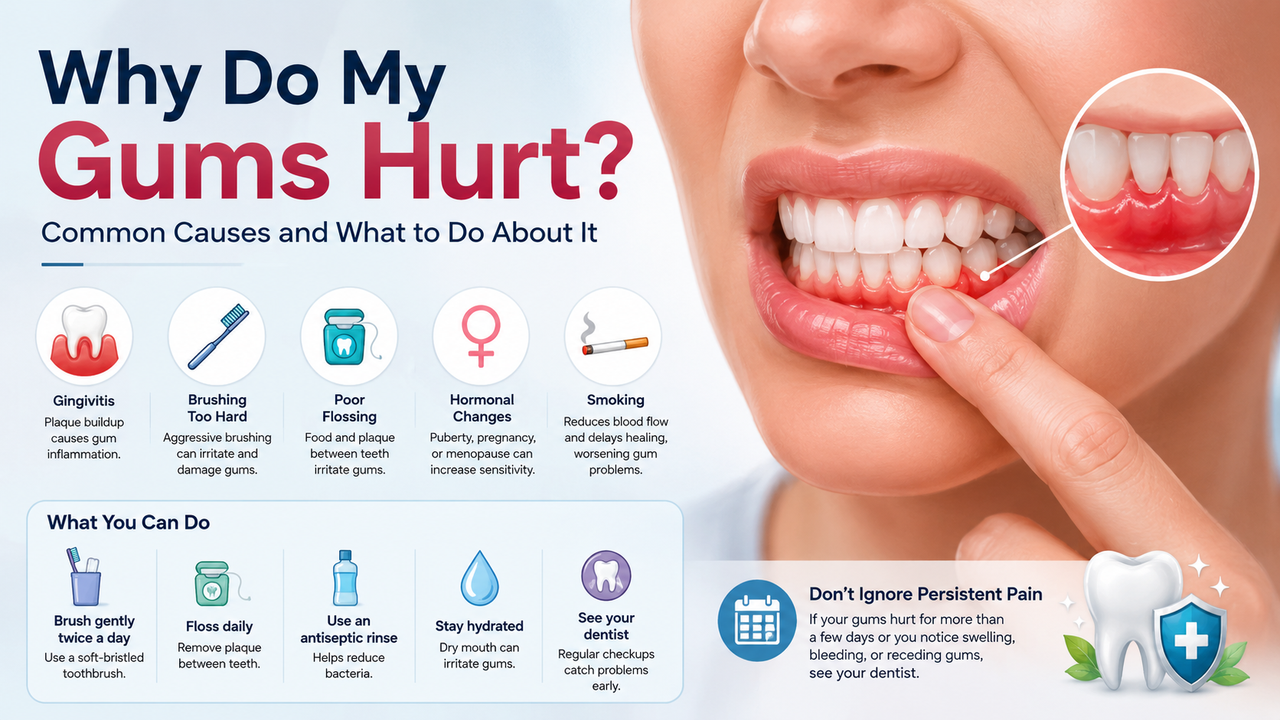
Advanced gum disease is by far the leading cause of loose teeth in adults. Bacteria in plaque and tartar cause chronic inflammation that destroys the bone and ligaments holding your teeth in place.
In the early stage (gingivitis), you might only notice bleeding gums. If left untreated, it progresses to periodontitis, where the gums pull away from the teeth, pockets form, and bone loss begins. As bone disappears, teeth lose their foundation and start to feel loose.
2. Teeth Grinding and Clenching (Bruxism)
Many people grind their teeth at night without realizing it. The constant excessive force can damage the ligaments and bone around the teeth over time, leading to mobility.
3. Trauma or Injury
A blow to the mouth, even one that happened years ago, can damage the supporting structures. Sometimes the effects show up much later.
4. Severe Tooth Decay or Infection
When decay reaches the nerve or an abscess forms at the root, the infection can destroy surrounding bone, causing the tooth to loosen.
5. Osteoporosis or Medical Conditions
Certain systemic conditions (including osteoporosis, diabetes, and rheumatoid arthritis) can affect jawbone density and increase the risk of loose teeth.
6. Hormonal Changes
Pregnancy, menopause, and other hormonal shifts can temporarily make gums more sensitive and increase the feeling of tooth mobility.
When Should You Worry?
Not all tooth movement is an emergency, but you should contact a dentist right away if:
- One or more teeth feel noticeably loose
- You see pus, swelling, or bleeding around the gums
- You have persistent bad breath or a bad taste
- Teeth feel loose along with pain or sensitivity
- You’ve recently had trauma to the mouth
- Multiple teeth are becoming mobile
What Your Dentist Will Do
When you visit with loose teeth, Dr. Zhu will typically:
1. Take detailed X-rays to assess bone levels
2. Measure periodontal pocket depths
3. Check for signs of infection or abscess
4. Evaluate bite and grinding habits
5. Create a personalized treatment plan
Treatment options may include:
- Deep cleaning (scaling and root planing)
- Antibiotics or antimicrobial therapy
- Night guard for bruxism
- Splinting (stabilizing loose teeth together temporarily)
- Gum grafting or regenerative procedures in advanced cases
- Extraction and replacement (implant, bridge, or denture) if the tooth cannot be saved
How to Prevent Loose Teeth
Prevention is always better than treatment. Here’s what you can do daily:
- Brush gently with a soft-bristled toothbrush twice a day
- Floss or use a water flosser daily
- Visit your dentist every 3–6 months for professional cleanings
- Wear a night guard if you grind your teeth
- Manage conditions like diabetes carefully
- Quit smoking or vaping
- Eat a nutrient-rich diet that supports bone and gum health
The Emotional Side of Loose Teeth
Many patients feel embarrassed or anxious when they notice loose teeth. It’s important to remember that this is a medical issue, not a personal failing. With modern dentistry, even advanced cases can often be stabilized or successfully treated.
Ready to address loose teeth or protect your smile?
Book your appointment with Dr. Ling Zhu at Ling Zhu DDS in Agoura Hills. We provide thorough evaluations and gentle, effective treatment to help you keep your natural teeth for life.