Not every threat to your teeth looks like candy.
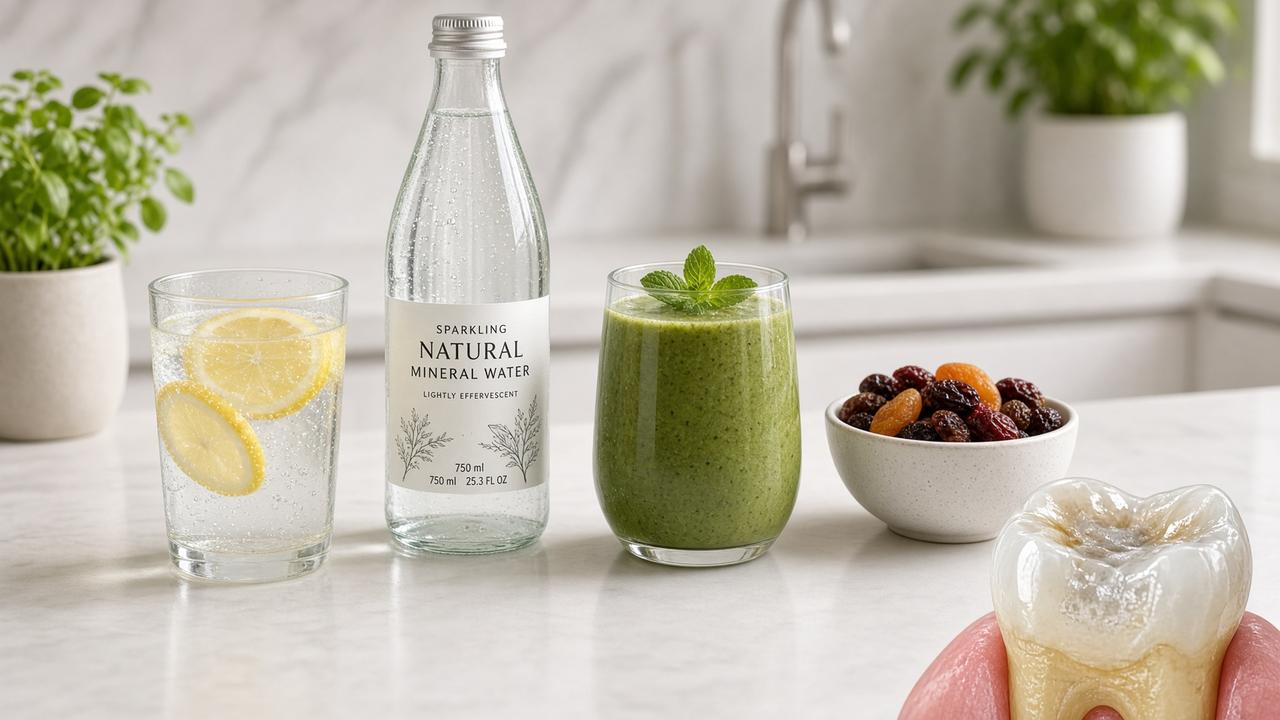
Some of the most common sources of enamel wear today come from habits people adopt to get healthier: morning lemon water, sparkling water instead of soda, green smoothies, apple cider vinegar shots, dried fruit, and sipping herbal tea all afternoon.
The intention is good. The effect on enamel can still be harsh.
Teeth do not care whether an acid came from a wellness routine or a dessert. They only respond to how often they are exposed to acid, how long that acid stays in the mouth, and whether saliva has time to recover.
Why “Healthy” Can Still Mean Acidic
Tooth enamel begins to soften when the pH in your mouth drops below about 5.5.
Many popular wellness drinks sit well below that line:
- Lemon water
- Apple cider vinegar drinks
- Citrus smoothies
- Sparkling water
- Kombucha
- Sports drinks marketed as clean or natural
- Wine, even in small amounts
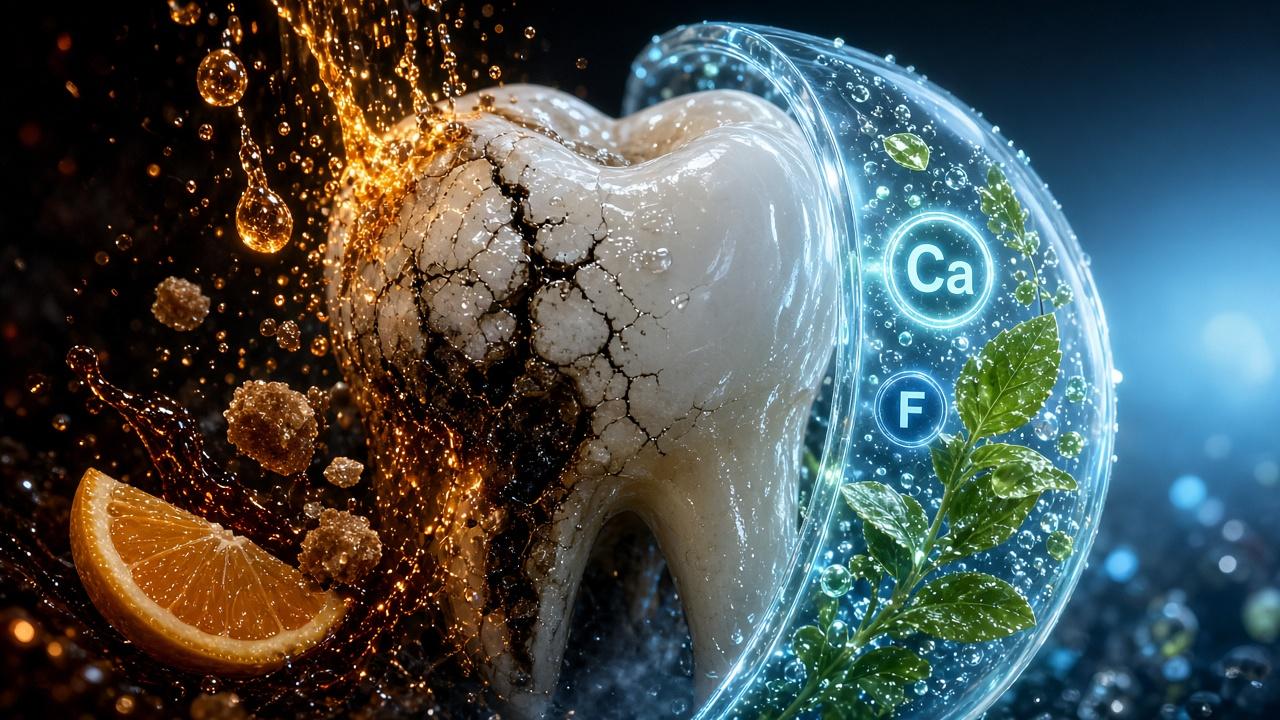
Sugar is not the only issue. Acid alone can thin enamel, increase sensitivity, and make teeth more vulnerable to cavities later.
The Habits That Cause More Harm Than People Expect
1. All-day lemon water
A squeeze of lemon in water with breakfast is very different from sipping lemon water for two hours. The first is a brief acid exposure. The second keeps enamel under attack.
2. Sparkling water as an all-day soda replacement
Plain sparkling water is better than soda. It is still acidic. Flavored versions are usually worse. If you drink it constantly between meals, the bubbles and acid add up.
3. Smoothies sipped over time
A smoothie can include fruit sugar, citrus, and a thick texture that clings to teeth. Drinking it slowly turns one meal into a prolonged acid-and-sugar bath.
4. Dried fruit as a “clean snack”
Dried mango, raisins, and dates are nutritious. They are also sticky and concentrated in sugar. They linger in grooves and between teeth far longer than fresh fruit.
5. Apple cider vinegar shots
A quick shot still coats the mouth with strong acid. Doing this daily, especially before brushing, can accelerate enamel wear.
6. Grazing on “healthy” snacks
Nuts, cheese, and raw vegetables are generally tooth-friendly. Granola bars, flavored yogurts, protein cookies, and trail mix with dried fruit are not the same thing. Frequent snacking keeps the mouth from returning to a neutral pH.
Timing Matters More Than the Label
The same food can be helpful or harmful depending on when and how you consume it.
A glass of orange juice with breakfast is less damaging than sipping it through a morning commute. Cheese after a meal can help neutralize acid. Brushing immediately after lemon water can scrub softened enamel.
This is why two people can follow similar “healthy” diets and have very different dental results.
How Enamel Damage Shows Up
Early acid wear does not always look like a cavity.
Watch for:
- Teeth that look slightly more yellow as enamel thins
- Sharp edges or cups on the biting surfaces
- Sensitivity to cold air, ice water, or sweet foods
- Fillings that seem more visible or raised
- A sandy or rough feeling on the front teeth
By the time enamel is gone, it cannot grow back. The goal is to stop the pattern early.
How to Keep the Healthy Habit Without the Dental Cost
You do not need to give up every wellness routine. You need better mechanics.
Drink acidic beverages with meals, not between them.
Food stimulates saliva, which helps buffer acid.
Use a straw when it makes sense.
This reduces contact with the front teeth, especially for lemon water, kombucha, and sparkling drinks.
Keep it short.
Finish the drink. Do not nurse it for an hour.
Rinse with plain water afterward.
This is one of the simplest and most effective habits you can add.
Wait 30 to 60 minutes before brushing.
After an acid exposure, enamel is temporarily softer. Brushing too soon can wear it down.
Pair acid with something neutralizing.
Cheese, milk, or a handful of nuts after citrus or wine can help.
Choose fresh fruit over dried fruit when possible.
If you love dried fruit, eat it with a meal and rinse afterward.
Make water your default sip.
Save flavored or sparkling drinks for specific times instead of using them as an all-day companion.
Nutrients That Support Teeth From the Inside
Diet is not only about avoiding damage. It can also support repair and gum health.
Helpful nutrients include:
- Calcium and phosphorus for enamel and bone
- Vitamin D for calcium absorption
- Vitamin C for gum tissue
- Water and saliva-stimulating foods for natural protection
Crunchy vegetables, cheese, plain yogurt, eggs, fatty fish, nuts, and unsweetened tea can all fit into a tooth-friendly pattern when they are not combined with constant acid sipping.
A Simple Daily Framework
Morning: eat breakfast, then drink coffee or lemon water with the meal rather than before brushing.
Midday: drink still water between meals. Save sparkling water for lunch.
Afternoon: avoid slow sipping of kombucha, juice, or sweetened coffee.
Evening: finish acidic foods and drinks with dinner. Wait before nighttime brushing.
This is not a rigid diet. It is a way to stop turning healthy choices into constant acid exposure.
The Larger Point
Your teeth are part of the same body you are trying to improve with better nutrition.
A habit can be good for energy, digestion, or weight and still be hard on enamel. The smartest approach is not fear. It is precision.
Enjoy the foods and drinks that support your health. Just do not bathe your teeth in them all day.
Want a preventive plan that fits your real diet, not a perfect one?
Book your appointment with Dr. Ling Zhu at Ling Zhu DDS in Agoura Hills. We can check for early enamel wear, review your daily habits, and help you protect your teeth without giving up the routines that make you feel better.