Most people think cavities come from not brushing enough. Brushing matters, but for many patients the bigger factor is what they eat and drink, and especially how often. Two people with the same brushing habits can have very different cavity and erosion risk because of their diets.
This guide explains how food and drinks affect your teeth, which choices help and which hurt, and the practical changes that tend to make the biggest difference.
Two different problems: decay and erosion
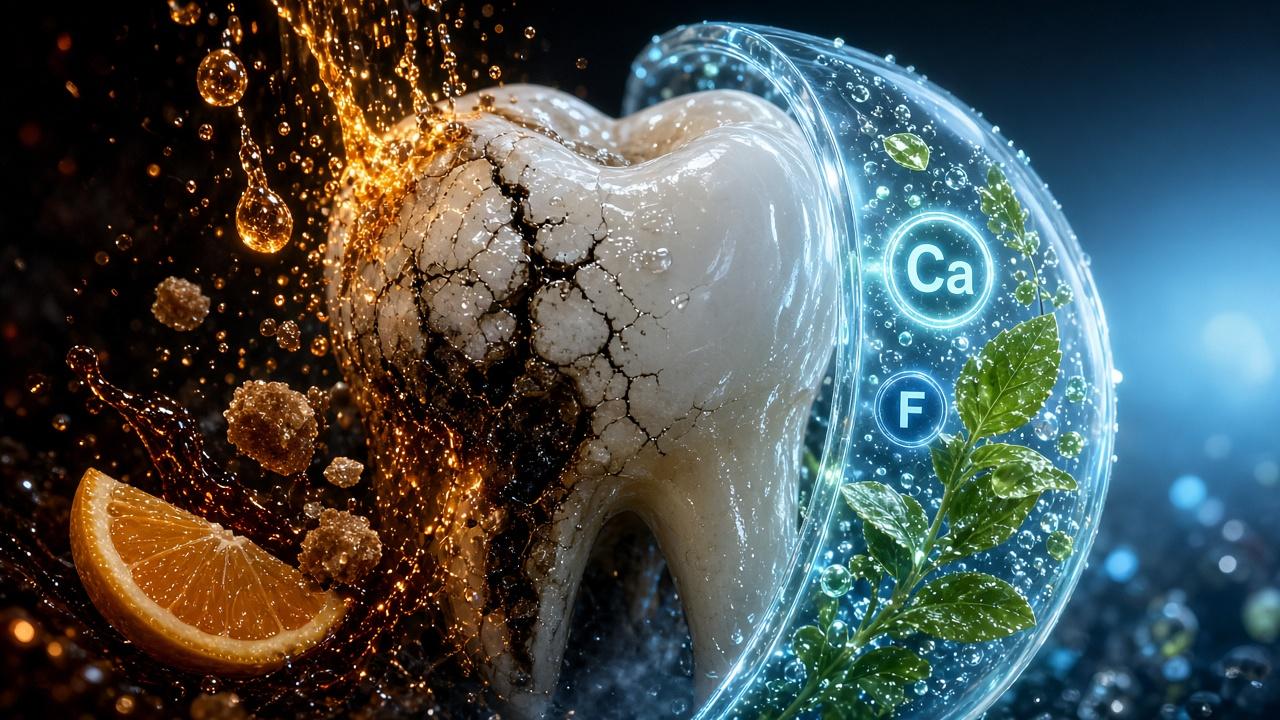
Tooth decay (cavities) happens when bacteria in plaque use sugars and other fermentable carbohydrates to produce acid. That acid pulls minerals out of the enamel. Repeated often enough, it creates a cavity.
Erosion is different. It's direct wear of enamel by acids from food, drinks, or stomach acid, without bacteria being involved. Erosion tends to make teeth look thinner, more yellow (as the dentin shows through), and more sensitive.
Many diets contribute to both.
Frequency matters more than most people think
Each time you have something sugary or acidic, the pH in your mouth drops. Below a certain point, often cited as around pH 5.5 for enamel, minerals start to dissolve. Saliva gradually neutralizes the acid and helps put minerals back. This repair takes time, often around half an hour to an hour after each exposure.
So the pattern matters:
A sweet coffee sipped over two hours means two hours of repeated acid exposure.
The same coffee finished with breakfast means one shorter exposure.
Grazing on snacks all day keeps teeth under near-constant attack, even if the total amount of sugar is modest.
This is why patients who "don't eat much sugar" can still get cavities, and why changing timing can help as much as changing what you eat.
Foods and drinks that are hard on teeth
Soda and energy drinks: often both sugary and acidic. Diet versions avoid the sugar but are still acidic.
Sports drinks: usually acidic and sugary, and often sipped slowly during exercise.
Sweetened coffee and tea: mainly a problem when sipped over a long time.
Citrus fruits and juices, lemon water, and apple cider vinegar: healthy in other ways, but acidic enough to erode enamel if you have them often.
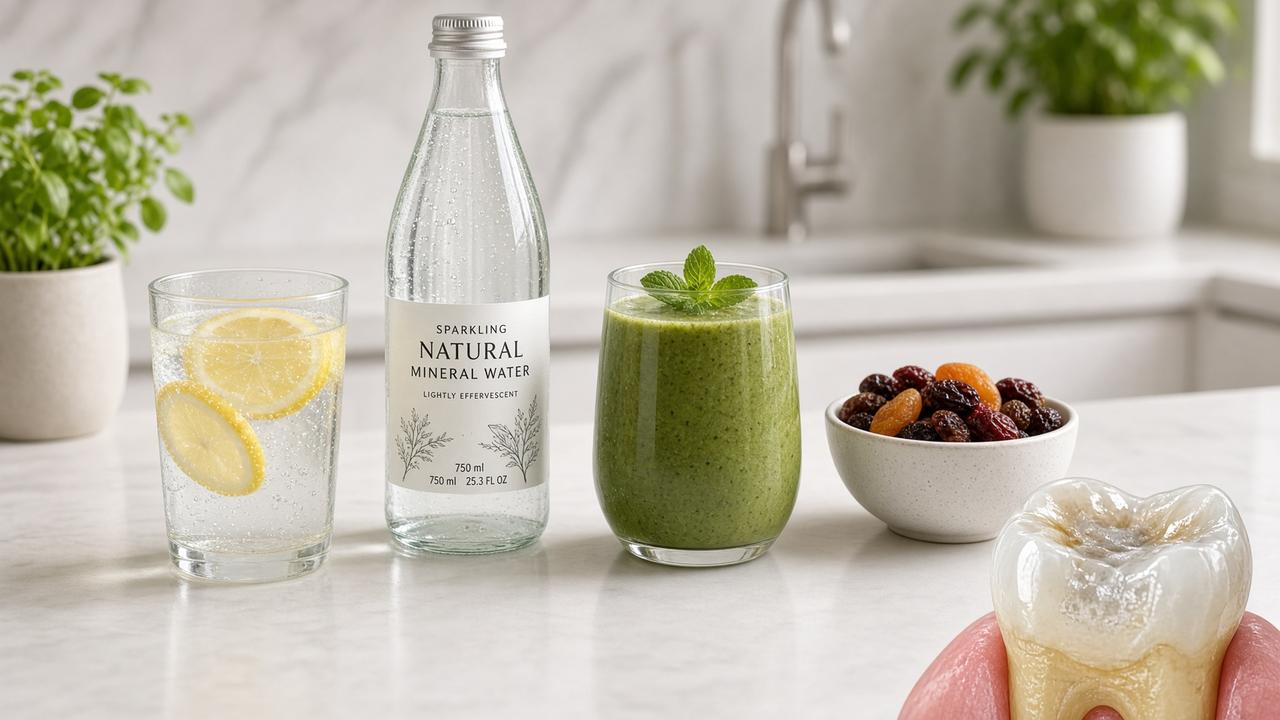
Sparkling flavored water: less of a concern than soda, but flavored versions, especially citrus, can be acidic.
Sticky sweets and dried fruit: caramels, gummies, and raisins cling to teeth and keep feeding bacteria.
Refined starchy snacks: crackers and chips break down into sugars and tend to lodge in the grooves of teeth.
Alcohol: can dry the mouth, is often mixed with sugary mixers, and wine is acidic. Red wine also stains.
Foods that support healthy teeth
Water: the best everyday drink. Fluoridated tap water also helps strengthen enamel.
Cheese, plain yogurt, and milk: provide calcium and phosphate. Cheese stimulates saliva, and having some at the end of a meal may help neutralize acids.
Crunchy vegetables and fruits like carrots, celery, and apples: chewing stimulates saliva, though they don't replace brushing.
Leafy greens: a good source of calcium and other nutrients.
Nuts: low in sugar and good for snacking in place of crackers or sweets.
Protein foods such as eggs, fish, poultry, beans, and tofu: good snack choices that don't feed decay-causing bacteria.
Unsweetened tea: a better choice than sweetened drinks, though it can stain.
Nutrients that matter for teeth and gums
Calcium and phosphate: building blocks of enamel and bone.
Vitamin D: helps the body absorb calcium. Levels vary, and your physician can check them if needed.
Vitamin C: needed for healthy gum tissue. Severe deficiency causes bleeding gums. Get it from a range of fruits and vegetables, and remember that citrus is acidic, so it's best with meals.
A balanced diet generally provides what teeth need. We don't recommend starting supplements for dental reasons without talking to your physician.
Practical changes that help
Keep sweets and acidic drinks to mealtimes. Saliva flow is higher during meals, and fewer separate exposures means more repair time.
Don't sip for hours. If you drink coffee, tea, or sparkling water all morning, keep it unsweetened, or finish sweet drinks in one sitting.
Drink water after meals and snacks to rinse and help neutralize acids.
Choose tooth-friendly snacks such as cheese, nuts, vegetables, and plain yogurt.
Use a straw for acidic drinks to reduce contact with the front teeth.
Wait before brushing after acidic foods. Enamel is softened for a while, so wait at least 30 minutes.
Chew sugar-free gum after meals to stimulate saliva. Gum with xylitol is a good choice.
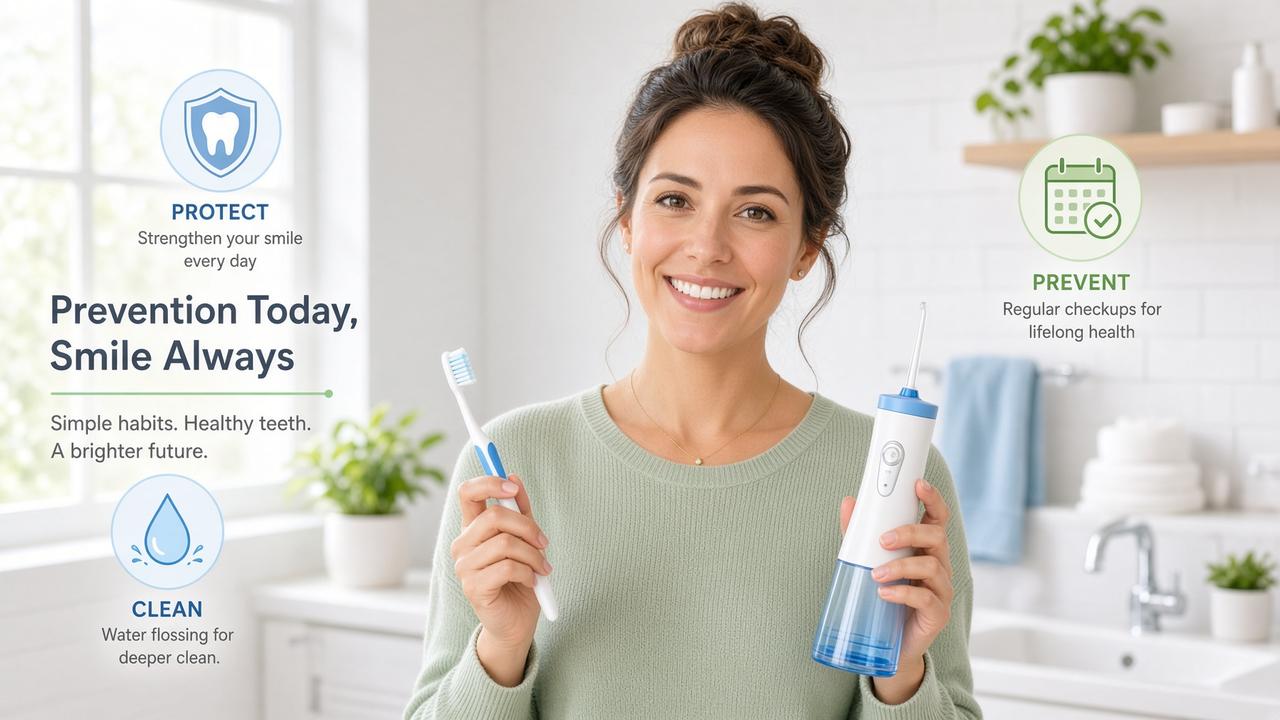
Use fluoride toothpaste twice a day, and ask us whether you would benefit from extra fluoride.
Treat reflux. If you have heartburn or a sour taste, talk with your physician. Stomach acid can erode teeth, especially on the inner surfaces.
Your mouth and your overall health
Gum disease has been associated with other health conditions, including diabetes and heart disease. Researchers are still studying how much of that link is cause and effect. The relationship with diabetes is well established in both directions: diabetes raises the risk of gum disease, and gum inflammation can make blood sugar harder to control. A diet that's good for your general health, with less added sugar, fewer ultra-processed snacks, and plenty of vegetables and protein, tends to be good for your mouth too.
How we can help at Ling Zhu DDS
At our Agoura Hills office, we look for signs of both decay and erosion during your exam. If we see early enamel changes, we'll talk through the specific habits that may be contributing, without judgment, and recommend practical changes. Fluoride varnish or prescription-strength toothpaste may help. Early enamel damage is often manageable before it needs fillings. We can discuss your diet and habits in English or Mandarin, including foods common in your own cuisine.
The bottom line
You don't need a perfect diet to protect your teeth. The biggest wins usually come from snacking and sipping less often, choosing water most of the time, keeping sweets and acidic drinks with meals, and using fluoride. Small, steady changes add up.
Want a personalized look at your cavity and erosion risk? Request an appointment with Ling Zhu DDS Dental in Agoura Hills.
Sources and further reading
American Dental Association, MouthHealthy: Nutrition and oral health
National Institute of Dental and Craniofacial Research: Tooth decay
CDC: Oral health