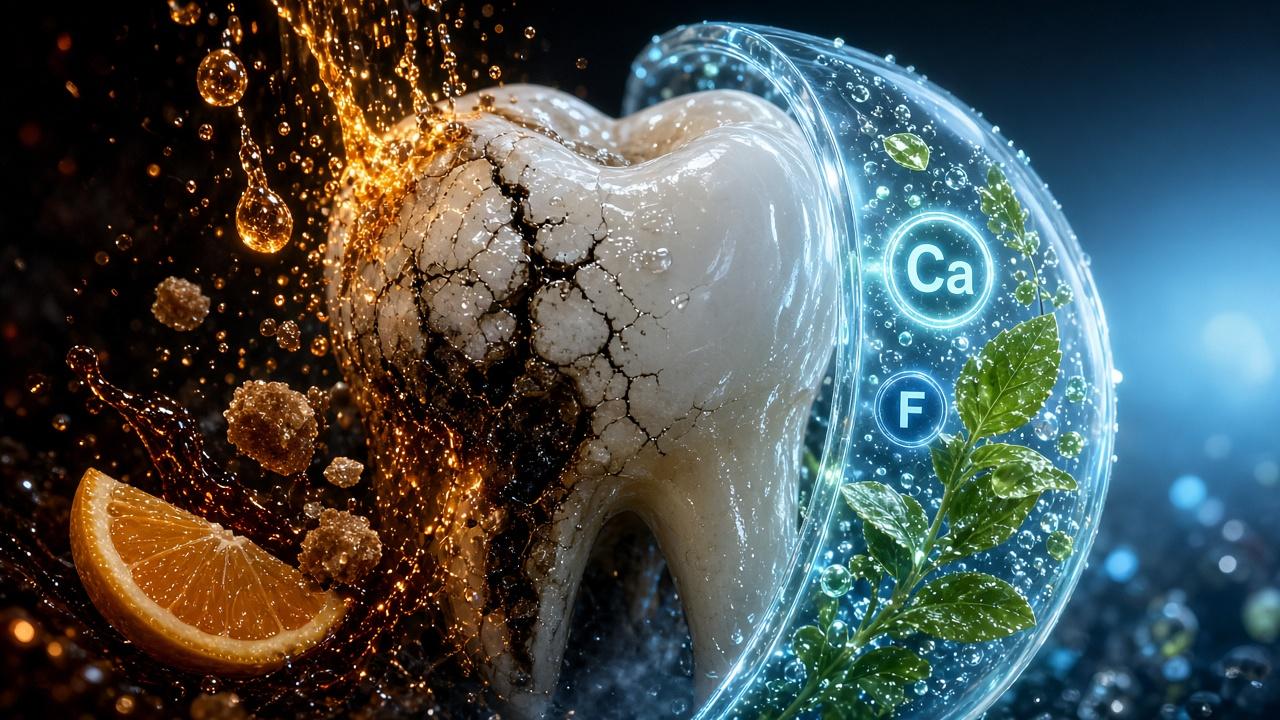
Most people wait until something hurts before they take their teeth seriously.
By then, the damage is already underway.
The truth is that the majority of cavities and gum problems are preventable. Not with expensive treatments. Not with miracle products. With consistent, evidence-based habits and the right professional support.
This playbook is designed to help you stay ahead of dental disease instead of reacting to it.
Why Prevention Beats Treatment Every Time
A small cavity can often be treated with a simple filling. Left alone, it can become a root canal, a crown, or a lost tooth.
Early gum inflammation can usually be reversed with better hygiene and a professional cleaning. Ignored, it can progress to periodontitis, bone loss, and tooth mobility.
Prevention is not just cheaper. It is far less stressful, less invasive, and better for your long-term health.
The Real Goal of Preventive Care
Preventive dentistry is not about perfection. It is about keeping the balance in your mouth on your side.
That means:
- Controlling plaque before it hardens into tartar
- Reducing acid attacks on enamel
- Keeping gums healthy and firmly attached
- Catching small problems before they become big ones
The Daily Habits That Actually Work
1. Brush Effectively, Not Just Frequently
Two minutes, twice a day, with a soft toothbrush and fluoride toothpaste is still the foundation. Technique matters more than brand. Angle the brush toward the gumline and use gentle circular motions. Aggressive scrubbing can damage gums and enamel.
2. Clean Between Your Teeth Every Day
Flossing or using a water flosser is non-negotiable. Brushing alone misses a large portion of the surfaces where cavities and gum disease begin.
3. Limit Frequent Snacking and Sipping
Every time you eat or drink something sweet or acidic, your teeth are under acid attack for about 20–40 minutes. Grazing all day keeps your mouth in a constant state of damage.
4. Stay Hydrated
Saliva is one of your best natural defenses. It neutralizes acids, washes away food, and helps remineralize enamel. Dry mouth dramatically increases your risk of decay.
5. Use Fluoride Strategically
Fluoride toothpaste is still one of the most proven tools for strengthening enamel. In higher-risk patients, professional fluoride treatments or prescription toothpaste can add extra protection.
6. Don’t Ignore Bleeding Gums
Healthy gums do not bleed easily. Bleeding is often an early warning sign of gingivitis. Addressing it early can prevent progression.
7. Protect Against Grinding
Nighttime grinding wears down enamel, cracks teeth, and stresses the jaw. A custom night guard can prevent years of damage.
What Professional Preventive Care Should Include
A strong preventive visit is more than a “cleaning.”
It should include:
- Oral cancer screening
- Gum measurements and evaluation
- Review of home care habits
- Risk assessment for cavities and gum disease
- Professional removal of plaque and tartar
- Personalized recommendations
The right recall interval is not always six months. Some people need visits every 3–4 months. Others with very low risk may do well with longer intervals. The schedule should be based on your actual risk, not a generic rule.
High-Risk Situations That Need Extra Attention
You may need a more aggressive preventive plan if you have:
- A history of frequent cavities
- Dry mouth from medications
- Diabetes
- Smoking or vaping habits
- Orthodontic appliances or many restorations
- Receding gums or existing periodontal disease
In these cases, prevention is even more valuable because the cost of neglect rises quickly.
The Role of Diet in Prevention
You do not need a perfect diet. You do need awareness.
The most damaging pattern is frequent exposure to sugar and acid. Sipping soda, energy drinks, sweetened coffee, or wine throughout the day is far worse than having the same drink with a meal.
Tooth-friendly choices include water, cheese, crunchy vegetables, nuts, and meals that stimulate saliva.
Common Prevention Myths
Myth: “If nothing hurts, everything is fine.”
Many problems start silently.
Myth: “Whitening toothpaste is enough.”
Whitening formulas do not replace proper plaque control and fluoride protection.
Myth: “Children and young adults don’t need to worry yet.”
Decay and gum issues can start early. Preventive habits are easiest to lock in when they become routine.
How to Build a Preventive Routine You’ll Actually Follow
The best routine is the one you can maintain.
Start with the basics:
- Morning and night brushing
- Daily interdental cleaning
- Water throughout the day
- Regular professional visits
Then add extras based on your risk: fluoride rinse, night guard, more frequent cleanings, or dietary adjustments.
Consistency beats intensity.
The Bigger Payoff
Healthy teeth and gums do more than look good. They support better nutrition, confidence, and overall health. Research continues to connect gum disease with systemic inflammation and other health conditions.
Prevention is one of the highest-return investments you can make in your long-term well-being.
Ready to build a preventive plan that actually fits your life?
Book your appointment with Dr. Ling Zhu at Ling Zhu DDS in Agoura Hills. We’ll evaluate your current risk, review your habits, and create a personalized preventive care plan designed to keep your teeth and gums healthy for years to come.