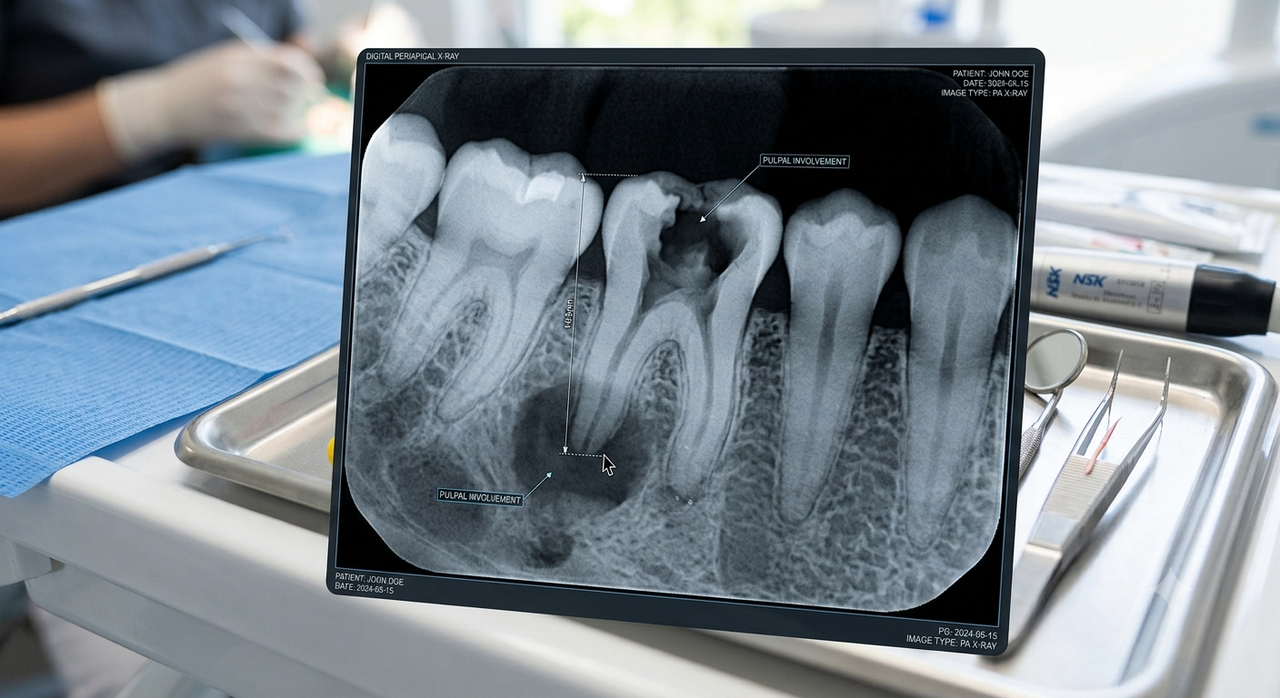
Few dental procedures create more anxiety than a root canal. Between the fear of pain and the fear of the bill, many patients put it off — which often makes the problem (and the cost) worse.
The good news: modern root canal treatment is far more comfortable than most people expect. The less good news: it can still be expensive if you don’t understand the pricing and insurance rules.
This complete 2026 guide gives you transparent numbers, explains what insurance actually covers, and shows you practical ways to reduce what you pay out of pocket.
Average Root Canal Costs in 2026
Prices vary significantly depending on which tooth is treated and where you live. Here’s a realistic national range:
- Front tooth (incisor or canine): $700 – $1,400
- Premolar: $800 – $1,600
- Molar (back tooth): $1,000 – $2,200+
These figures usually include the root canal procedure itself but not the final crown that is often required afterward. A crown typically adds another $1,000 – $2,500.
Total typical cost for a molar root canal + crown: $2,200 – $4,500.
Costs tend to be higher in major metropolitan areas and affluent communities such as Agoura Hills, Thousand Oaks, and the greater Los Angeles region.
What Affects the Final Price?
Several factors influence how much you’ll pay:
1. Which tooth needs treatment
Molars have more canals and are more complex, so they cost more.
2. Whether a specialist (endodontist) performs the procedure
Specialists often charge more than general dentists but may have higher success rates in difficult cases.
3. Need for additional procedures
Retreatment of a previous root canal, post placement, or bone grafting can increase the cost.
4. Geographic location
Dental fees are generally higher in California than in many other states.
5. Technology used
Practices using advanced imaging, rotary instruments, and microscopes may charge more but often deliver better outcomes.
Does Dental Insurance Cover Root Canals?
Most PPO dental insurance plans classify root canals as a major procedure and typically cover 50% of the cost after you meet your deductible.
Important limitations to watch for:
- Annual maximum benefits (often $1,000 – $2,000 per year)
- Waiting periods for major services (sometimes 6–12 months)
- Frequency limitations
- “Least expensive alternative treatment” clauses
Example:
If your root canal costs $1,600 and your plan covers 50% with a $50 deductible already met, insurance might pay $800. You would still owe the remaining $800 — plus the cost of the crown if needed.
Many patients are surprised to learn that their annual maximum can be used up by a single root canal and crown combination.
Membership Plans vs Traditional Insurance
Traditional insurance has clear limits. In-house dental membership (or “savings”) plans offered by many private practices often provide better value for root canal treatment.
These plans typically offer:
- 15–30% discounts on major procedures
- No annual maximums
- No waiting periods
- Predictable pricing
For patients without strong insurance coverage, a membership plan can significantly reduce the true cost of treatment.
Smart Ways to Reduce Your Out-of-Pocket Cost
1. Ask for a detailed treatment estimate before starting
2. Check whether a crown is truly necessary right away or can be staged
3. Compare general dentist vs endodontist fees for your specific case
4. Look into financing options (CareCredit, in-house payment plans)
5. Use an in-house membership plan if available
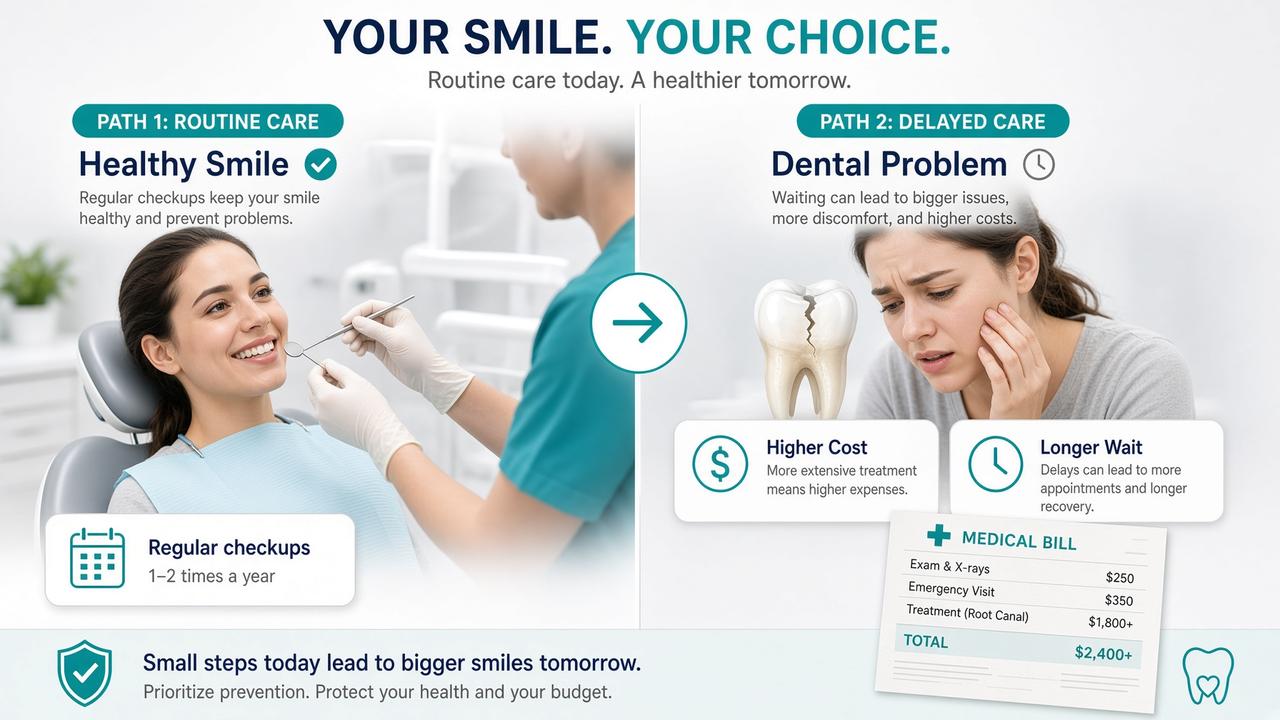
6. Don’t delay treatment — waiting often leads to infection, extraction, and much higher long-term costs (implant or bridge)
Is a Root Canal Worth the Cost?
In most cases, yes. Saving a natural tooth is almost always better for long-term oral health, chewing function, and appearance than extracting it and replacing it later.
A successfully treated and properly restored tooth can last many years — often a lifetime with good care.
What Happens If You Skip the Root Canal?
Leaving an infected tooth untreated can lead to:
- Severe pain and swelling
- Abscess formation
- Spread of infection
- Eventual tooth loss
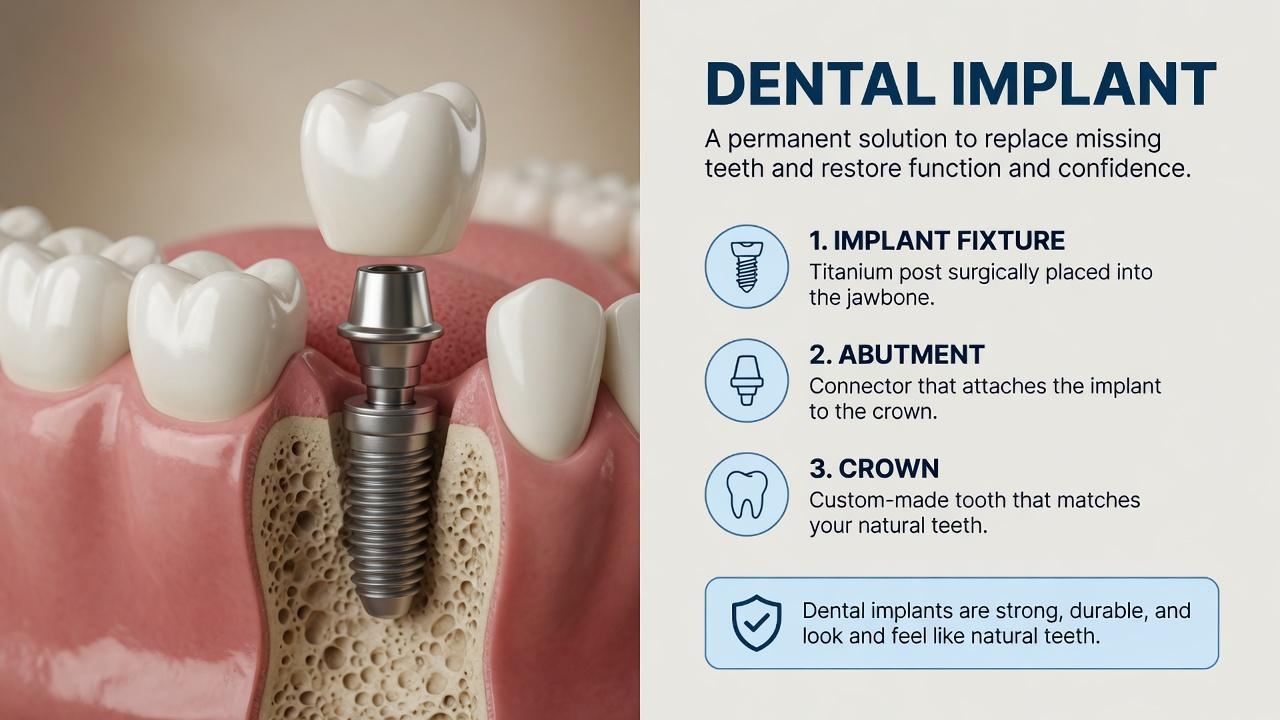
- More expensive treatment later (extraction + implant or bridge)
Early treatment is almost always less expensive and less invasive.
Need a root canal or want a clear cost estimate?
Book your appointment with Dr. Ling Zhu at Ling Zhu DDS in Agoura Hills. We provide honest evaluations, transparent pricing, and will help you understand your insurance benefits and payment options before any treatment begins.