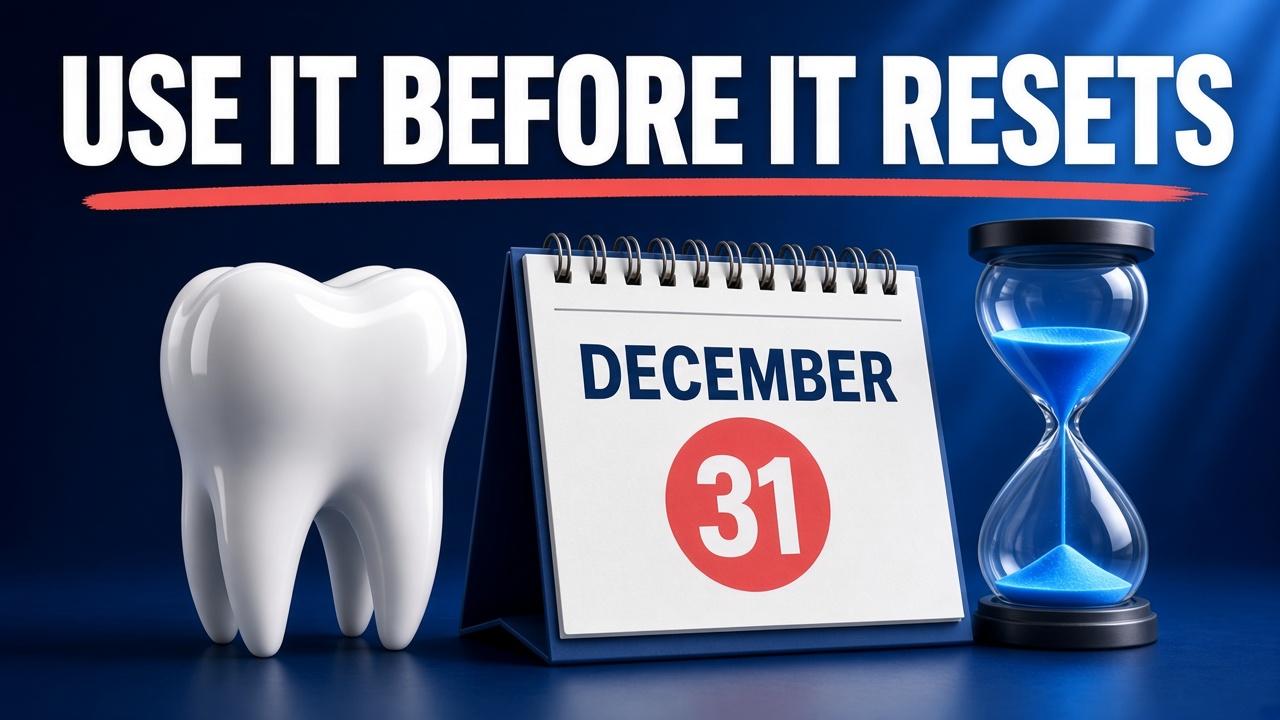
"Do I have anything left on my dental insurance this year?" is a good question to ask in October, not December. Many dental plans run on the calendar year, which means the yearly maximum, the deductible, and the twice-a-year cleaning allowance start over on January 1. Benefits you didn't use usually don't carry over.
This guide explains the few insurance terms that matter most, gives you a short script for calling your insurer, and walks through how to plan care in the last months of the year without rushing into anything you don't need.
Why dental benefits "reset," and why it matters
Most dental plans are built around a benefit year. For many people that's January through December, but some employer plans use a different 12-month plan year, so the first step is to find out which one you have.
Within that benefit year, three things usually reset:
Your annual maximum. This is the most the plan will pay toward your care in one benefit year. Once it's used up, you pay the rest until the next year begins.
Your deductible. This is the amount you pay out of pocket before the plan starts sharing costs on certain services. Many plans waive it for preventive care, but not all do.
Your frequency limits. Plans often cover a set number of cleanings and exams per year, and X-rays on a set schedule. If you've only used one of two covered cleanings, the second one is typically gone after the reset.
Here's why that matters in practice: if you've already met this year's deductible and you have treatment that's been recommended, finishing it before the reset can mean you don't pay a new deductible on it next year. And if you have unused maximum left, that money is only available until your benefit year ends.
Signs it's worth checking your benefits now
You don't need to call your insurer every month. But it's worth a quick check this fall if any of these apply:
You've had a cavity, cracked filling, or crown recommended and haven't scheduled it yet.
You've only had one cleaning this year, or none.
You've already paid toward your deductible this year.
You're changing jobs, retiring, or switching plans during open enrollment.
You have money in a flexible spending account (FSA) that may expire at year-end. FSA rules depend on your employer's plan, so check yours.
You've been putting off a problem that bothers you, like sensitivity, bleeding gums, or a tooth that hurts when you bite.
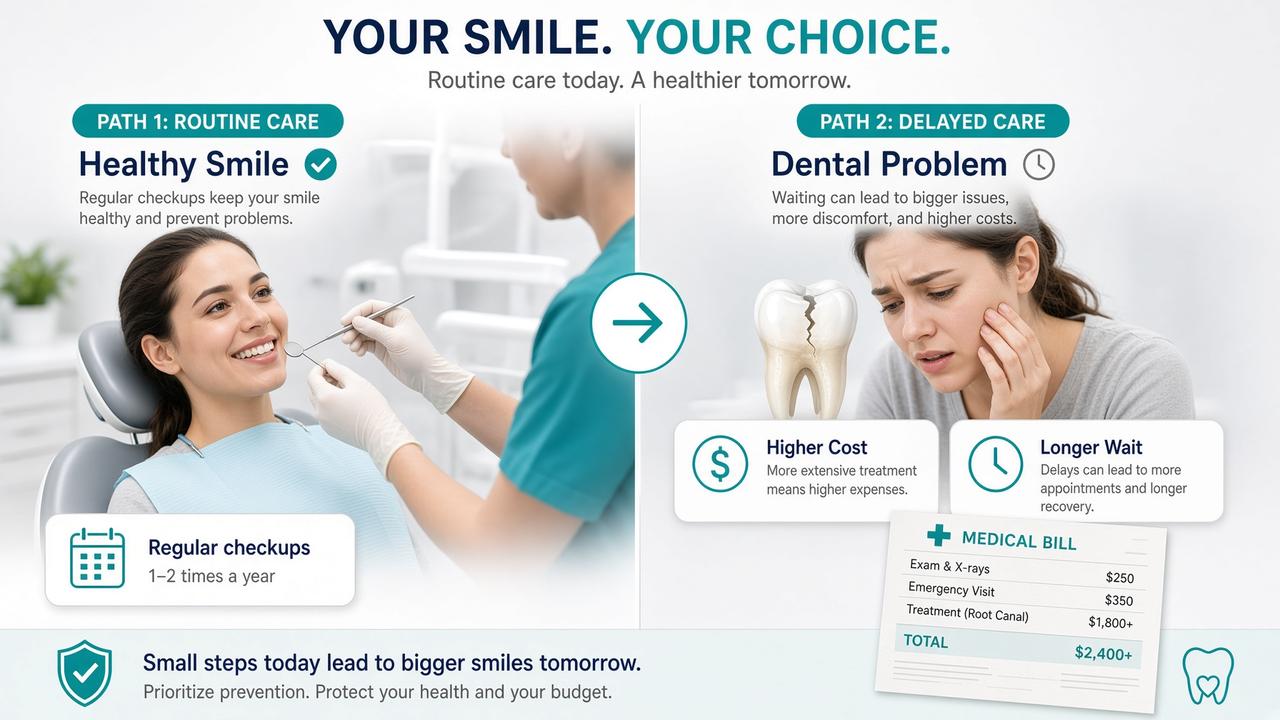
That last one matters most. Insurance timing is a good reason to schedule, but it should never be the only reason. The American Dental Association's consumer site notes that regular visits help spot problems early, when treatment is likely to be simpler and more affordable.
The four numbers to find on your plan
Before you call, log in to your insurer's member portal or pull out your most recent Explanation of Benefits (EOB), the statement your insurer sends after a claim. Look for:
Annual maximum used and remaining. Many portals show this directly.
Deductible met so far. Note whether it's an individual or family deductible.
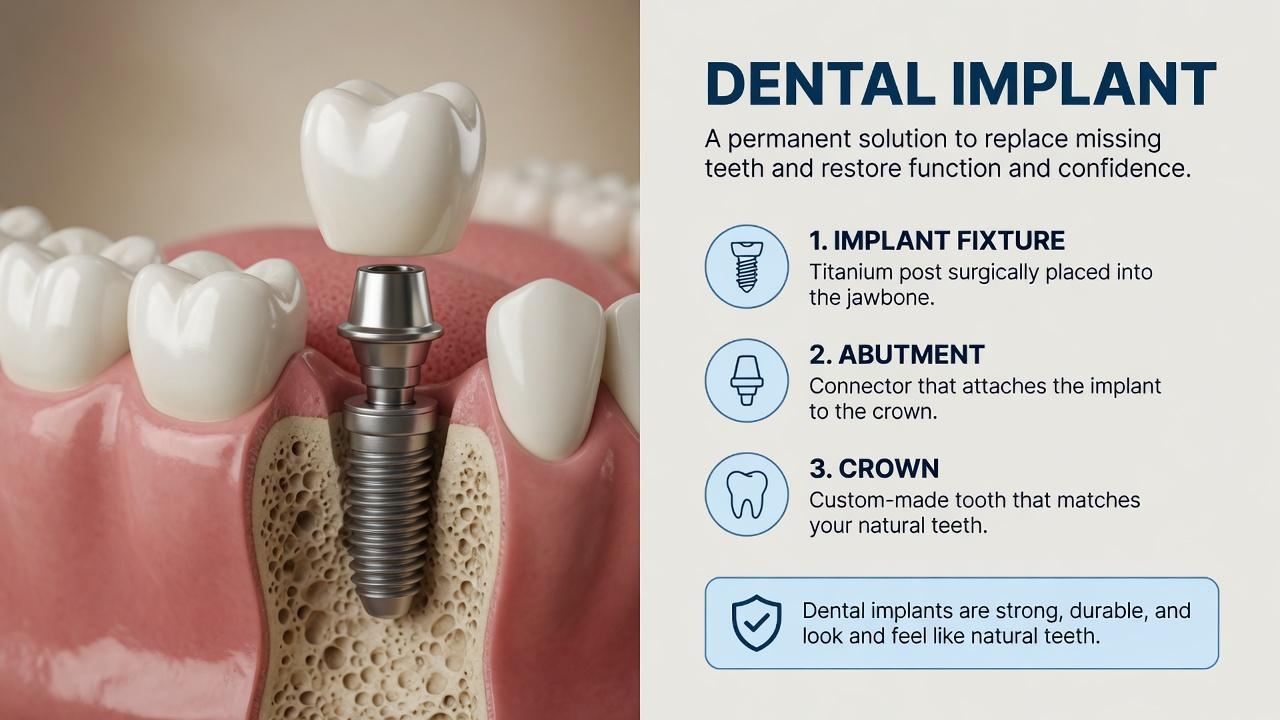
Coverage level by category. Plans often group services into preventive (cleanings, exams), basic (fillings), and major (crowns, bridges, implants), each covered at a different percentage.
Benefit year end date. Don't assume December 31. Confirm it.
If you can't find these, that's normal. Plan documents aren't always easy to read. The call below gets you the answers in about ten minutes.
A simple script for calling your insurer
Have your member ID card in front of you, and write down the date and the representative's name. Then ask:
"Does my plan run on a calendar year or a different plan year? When does it reset?"
"How much of my annual maximum have I used, and how much is left?"
"Have I met my deductible this year?"
"How many cleanings and exams have been paid this benefit year?"
"Is there a waiting period on basic or major services for my plan?"
"Are there any frequency or replacement limits I should know about, for example on crowns?"
"Is a pre-treatment estimate recommended for the treatment I'm planning?"
Waiting periods deserve a special mention if you recently enrolled. HealthCare.gov warns that stand-alone dental plans can have waiting periods before they cover certain services for adults, so a new plan may not pay for some treatment right away.
Your options in the last months of the year
Once you know where you stand, the plan usually falls into one of these situations.
You have a cleaning or exam left. This is the simplest case. Schedule it. Preventive visits are where small problems get caught, and many plans cover them at a high level. If anything is found, you'll have time to decide what to do next.
You have recommended treatment and benefits remaining. If a filling, crown, or other treatment is already on your plan, ask us about it. Every case is different, so the doctor needs to examine you first before we can say what treatment makes sense and whether a pre-treatment estimate to your insurer is appropriate. An estimate isn't a guarantee of payment, but it can reduce surprises.
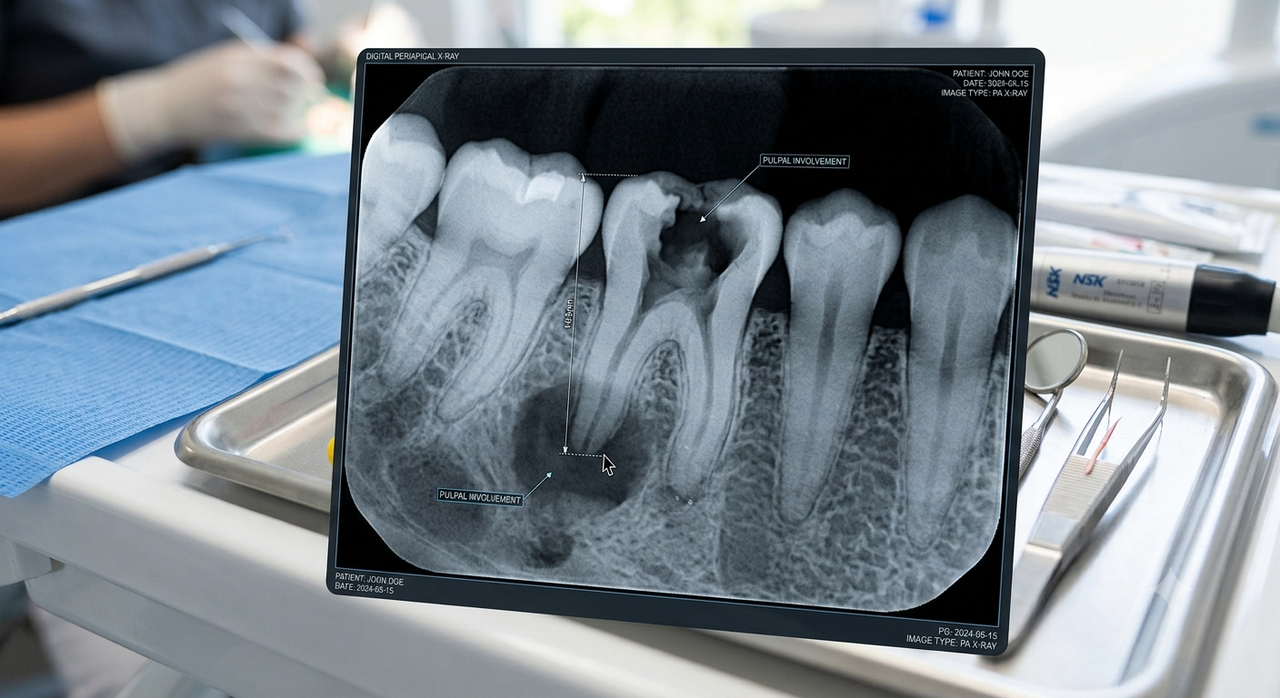
You need more treatment than this year's maximum covers. Sometimes, when it's safe to wait, treatment can be split across two benefit years so each year's maximum helps. We'll tell you honestly whether waiting is safe for your situation. Some problems, like a cracked tooth or an active infection, shouldn't be timed around insurance.
You're switching plans. Finish what you reasonably can under your current coverage, and ask your new plan about waiting periods and whether your dentist is in network before you rely on it.
You don't have dental insurance. Year-end timing matters less for you, but an FSA or HSA may still help if you have one. Ask our front desk about the payment options we currently accept.
An illustrative example
The following scenario is illustrative, not a real patient. Suppose someone had one cleaning in March and a filling recommended in the summer that they never scheduled. In October they check their portal and see they've met their deductible and still have part of their annual maximum left. Scheduling the second cleaning and the filling before the reset means both visits fall into a benefit year where the deductible is already paid. If they waited until February, the deductible would likely start over, and the filling might have grown in the meantime.
The point isn't the dollar amount. It's that a ten-minute check in October gave them choices they wouldn't have had in late December.
When to call our office
Book a visit sooner rather than later if you:
Have pain, swelling, a broken tooth, or a bad taste that won't go away
Have bleeding gums that haven't improved with better brushing and flossing
Have treatment that's been recommended and you want to understand your options
Want a cleaning and exam before your benefits reset
End-of-year appointment times can fill up, so it helps to call early. Ling Zhu DDS Dental is at 5601 Kanan Road in Agoura Hills, and we serve patients from Agoura Hills, Thousand Oaks, Calabasas, and nearby communities in English and Mandarin. Our hours are Monday, Tuesday, Wednesday, and Friday 9 AM to 6 PM, and the 1st and 3rd Saturday of each month 8 AM to 5 PM. We're closed Thursday and Sunday. Call (818) 991-8881 or use the Request Appointment button, and Dr. Ling Zhu can help you plan the care you need around the benefits you have.
FAQ
Does unused dental insurance roll over to next year? Usually not. Most plans don't carry unused maximums into the next benefit year, though a few have rollover features. Check your own plan documents or ask your insurer.
Is my benefit year always January to December? No. Many plans follow the calendar year, but some employer plans use a different 12-month plan year. Confirm your reset date with your insurer.
Should I get treatment just because my benefits are about to reset? No. Get treatment because you need it. Insurance timing can help you decide when to schedule care that's already recommended, but it shouldn't drive decisions about whether you need it.
What is a pre-treatment estimate? It's a request sent to your insurer before treatment, asking what they expect to pay. It's not a guarantee, but it helps you plan. Whether one makes sense is case by case, and the doctor needs to examine you first.
Can I use my FSA for dental care? FSAs and HSAs can often be used for eligible dental expenses, but rules depend on your specific account and employer plan. Check with your plan administrator.
Sources
American Dental Association, MouthHealthy: Common Questions About Going to the Dentist
This article is for general education and isn't a substitute for an exam or for your own insurance plan documents. Coverage details vary by plan.