Most people do not skip the dentist because they do not care.
They skip because nothing hurts.
That is the problem.
Cavities, gum disease, enamel wear, and even early oral cancer can develop quietly. By the time pain shows up, the simplest and least expensive options are often already gone.
Preventive care is not about finding something wrong at every visit. It is about keeping small changes from becoming major treatment.
Why “Nothing Hurts” Is a Misleading Signal
Pain is a late warning system in dentistry.
A tooth can lose enamel for months before it becomes sensitive. Gums can bleed and recede before they feel sore. A crack can flex under pressure long before it splits.
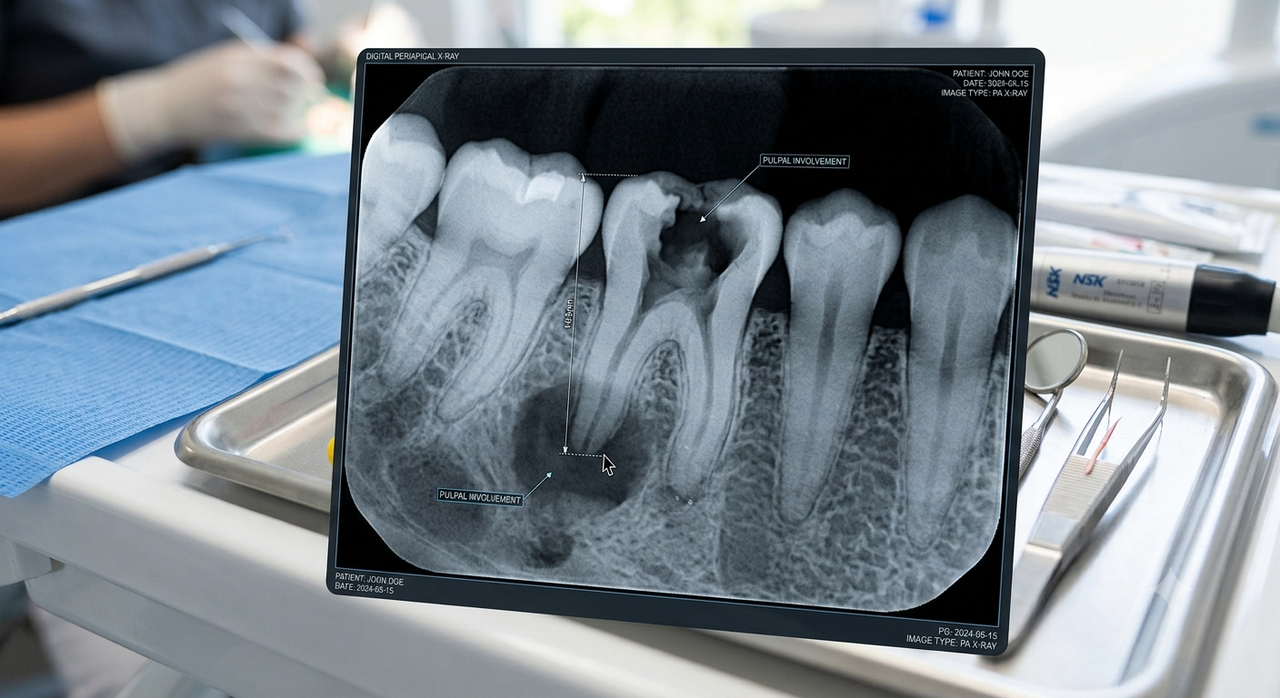
This is why people are often surprised at a checkup. They feel fine. Then an X-ray or gum measurement shows a problem that has been building quietly.
Waiting for symptoms is like waiting for the check-engine light to stay on for a year before looking under the hood.
What Preventive Care Actually Prevents
A strong preventive plan is designed to stop four common problems before they grow:
1. Cavities
Early decay can often be watched, remineralized, or treated with a small filling. Delayed decay can reach the nerve and lead to a root canal, crown, or extraction.
2. Gum Disease
Gingivitis is often reversible. Periodontitis is not fully reversible. Once bone support is lost, the goal shifts from prevention to damage control.
3. Tooth Wear and Cracks
Grinding, acid erosion, and old fillings can weaken teeth over time. Catching wear early can mean a night guard or a simple restoration instead of a fractured tooth.
4. Silent Oral Health Changes
Oral cancer screenings, bite evaluations, and medical-history reviews can reveal issues that have nothing to do with a toothache but everything to do with long-term health.
What a Modern Preventive Visit Should Include
A preventive appointment is more than a cleaning.
At a well-run practice, it typically includes:
- A comprehensive or periodic oral exam
- Oral cancer screening
- Gum evaluation and pocket measurements
- Digital X-rays when indicated
- Professional removal of plaque and tartar
- A review of home care, diet, medications, and risk factors
- A clear recommendation for the next visit interval
The value is not only what is cleaned. It is what is noticed early.
The Real Cost Difference
People often compare the cost of a checkup to the cost of “doing nothing.”
That comparison is incomplete.
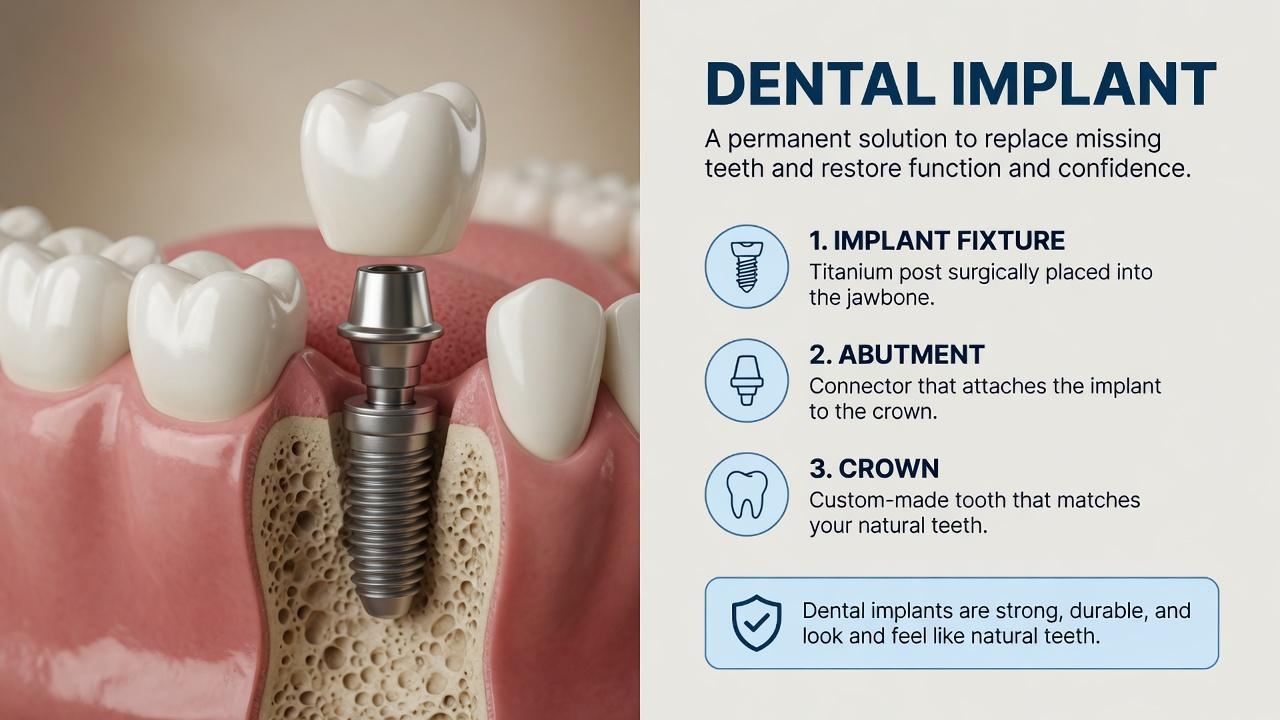
A preventive visit may feel optional. A root canal, crown, implant, or periodontal treatment does not.
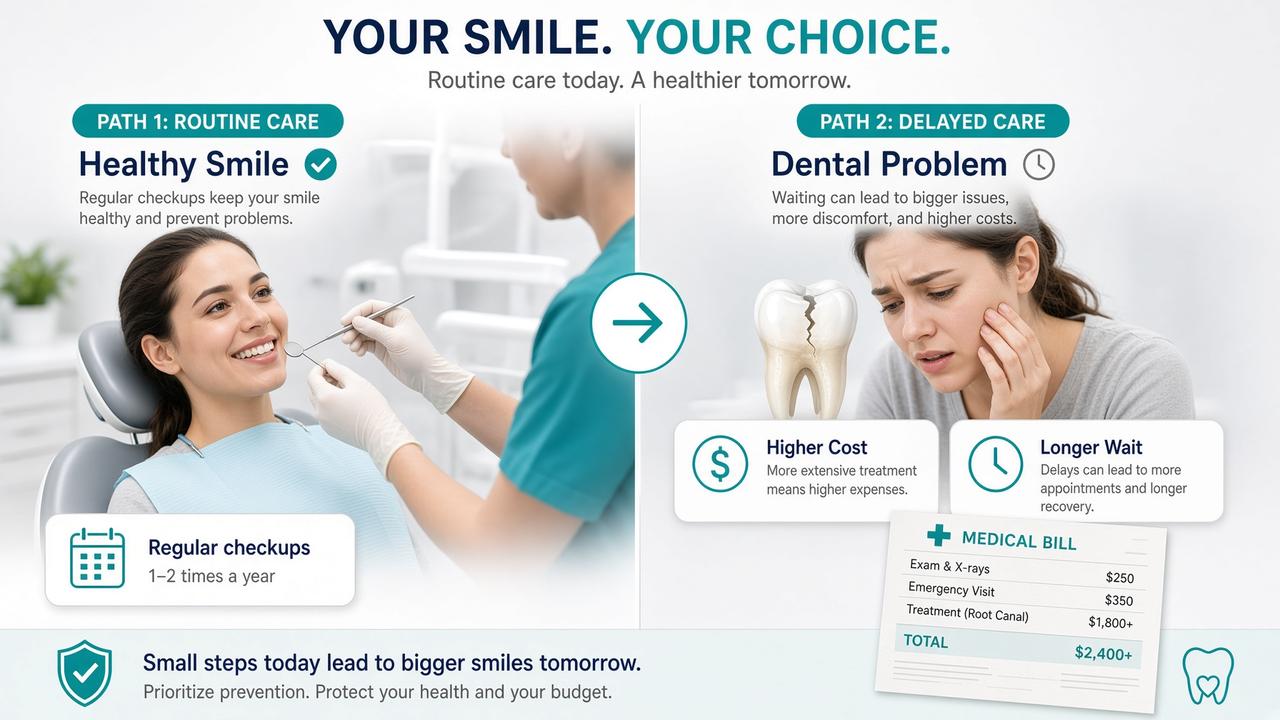
The pattern is consistent:
- Early cavity: conservative filling
- Delayed cavity: root canal and crown
- Early gum inflammation: improved hygiene and more frequent cleanings
- Delayed gum disease: deep cleaning, possible surgery, and higher risk of tooth loss
- Early crack or wear: night guard or simple protection
- Delayed fracture: extraction and replacement
Preventive care is not the expensive path. It is the path that keeps expensive treatment from becoming necessary.
How Often Should You Really Come In?
The old “every six months” rule is a starting point, not a law.
Your ideal schedule depends on risk.
You may need visits every 3–4 months if you have:
- A history of cavities or gum disease
- Dry mouth from medications
- Diabetes
- Smoking or vaping habits
- Heavy plaque buildup
- Crowns, implants, or orthodontic appliances
- Visible grinding or tooth wear
You may do well with a longer interval if you have:
- Excellent home care
- Healthy gums
- Low cavity history
- Little plaque or tartar
- No major medical risk factors
The right interval is the one that matches your mouth, not a generic calendar.
Daily Habits That Make Professional Care More Effective
Preventive dentistry works best when home care and professional care support each other.
Brush with purpose.
Two minutes, twice a day, with a soft brush and fluoride toothpaste. Technique matters more than force.
Clean between teeth daily.
Floss or a water flosser reaches the places a toothbrush cannot. This is where many cavities and gum problems begin.
Watch frequency, not just sugar.
Sipping sweet or acidic drinks all day keeps teeth under repeated acid attack. Having the same drink with a meal is less damaging.
Protect against grinding.
If you wake with jaw tightness, headaches, or worn teeth, a night guard can prevent years of damage.
Do not ignore bleeding gums.
Healthy gums should not bleed easily. Bleeding is information. Use it.
Special Situations That Raise Preventive Risk
Some patients need a more proactive plan even if they feel fine.
- Busy professionals who snack or drink coffee throughout the day
- Parents managing their own care while focusing on their children
- Patients on multiple medications that reduce saliva
- Adults with older fillings or crowns that can fail quietly
- Anyone with a history of putting off visits after a busy season
Prevention is especially valuable when life is already full. That is when small problems are most likely to be postponed.
How to Think About Prevention as a Long-Term Strategy
The goal is not perfection.
The goal is fewer emergencies, fewer surprises, and more control.
A good preventive plan answers three questions at every visit:
1. What is healthy right now?
2. What is changing?
3. What is the simplest next step?
That mindset turns dentistry from a reaction to pain into a system for protecting your teeth.
The Bottom Line
Skipping preventive care feels convenient in the short term.
Over time, it is one of the most expensive habits in dentistry.
The patients who keep their natural teeth longest are rarely the ones who never needed treatment. They are the ones who stayed close enough to the process that problems were caught while they were still small.
Ready to stay ahead of problems instead of reacting to them?
Book your preventive visit with Dr. Ling Zhu at Ling Zhu DDS in Agoura Hills. We will evaluate your current risk, explain what we see in clear language, and build a recall plan that fits your health, habits, and schedule.