A dental crown is one of the most common restorations we place. Whether a tooth has a large failing filling, a crack, or has just had a root canal, the next question is usually the same: what will this cost?
The honest answer is that it depends on the tooth, the material, what else the tooth needs, and your insurance. Many consumer cost guides cite a rough range of about $1,000 to $2,500 per crown before insurance, but individual fees vary widely, and your own estimate may fall outside that range. The more useful goal is to understand what drives the price, so the estimate you get makes sense. This guide walks through that.
Why teeth need crowns
A crown covers the whole visible part of a tooth. We usually recommend one when a tooth is too weak to hold a filling safely, for example:
A large filling that is breaking down or leaving little natural tooth
A cracked tooth, especially one that hurts when you bite
A back tooth after root canal treatment, which is more prone to fracture
A badly worn tooth from grinding or erosion
To support a bridge, or on top of a dental implant
Sometimes a smaller restoration, such as an onlay or a filling, is enough. A good exam should explain why a crown is recommended and whether there's a more conservative option.
What affects the cost
1. Material. Common choices include:
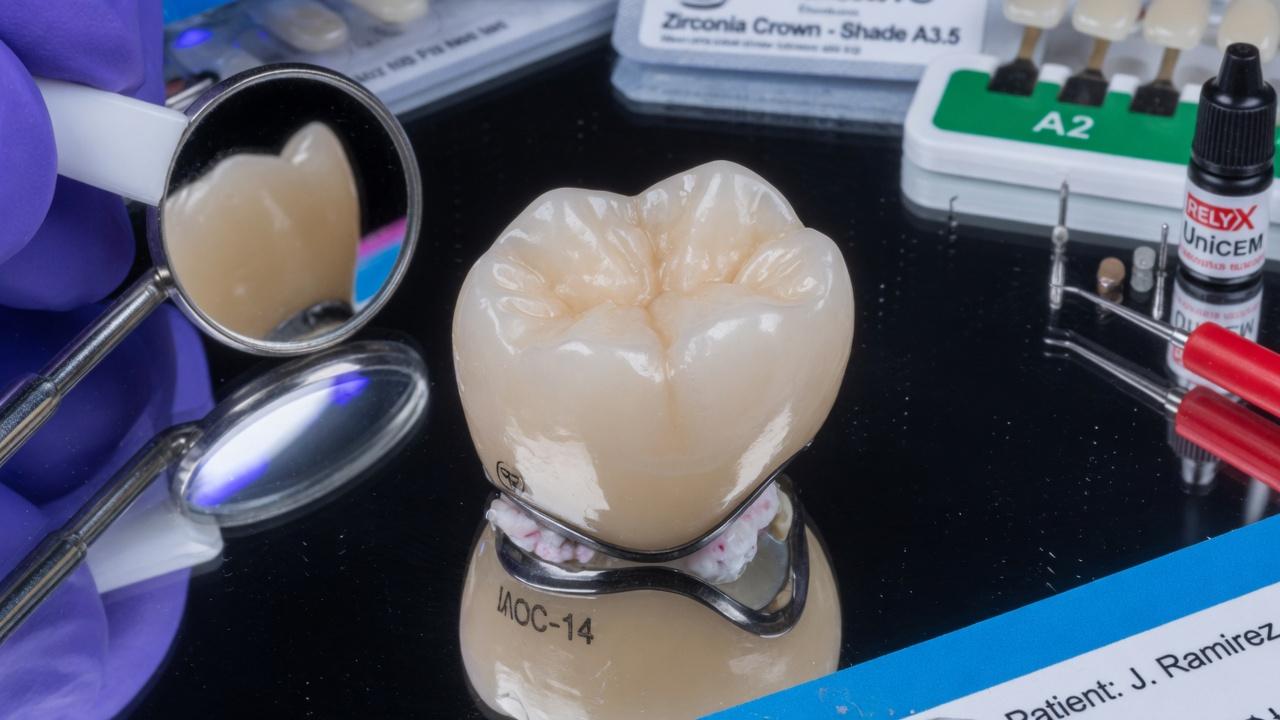
Zirconia: very strong and a common choice for back teeth. Newer, more translucent versions are also used on front teeth.
Lithium disilicate and other all-ceramic crowns: excellent appearance, often used on front and visible teeth.
Porcelain-fused-to-metal: a long-used option with a metal inner layer. It's used less often now for visible teeth.
Gold and other metal crowns: very durable and gentle on opposing teeth, but not tooth-colored.
Material affects both lab fees and appearance. The best choice depends on where the tooth is, how hard you bite or grind, and how much it shows when you smile.
2. What the tooth needs first. A crown fee usually covers preparing the tooth, impressions or a scan, a temporary crown, and placing the final crown. Other procedures are billed separately:
A core buildup to rebuild missing tooth structure so the crown has something to hold onto
Root canal treatment if the nerve is infected or dying
Gum treatment if the gums around the tooth are inflamed
Occasionally, crown lengthening (a gum and bone procedure) if the break goes below the gumline
These add-ons are often why two crown estimates look so different.
3. Front vs back teeth. Front teeth may need more time and custom shading work to match the neighboring teeth.
4. Lab and technology. Crowns are made by a dental lab or, in some offices, milled in-house. The quality of the lab work affects fit, appearance, and how long the crown lasts.
5. Location. Fees generally reflect local costs, and they tend to be higher in Southern California than in many other regions.
How insurance usually works
Every plan is different, so always check your own benefits. Common patterns with PPO plans:
Crowns are usually a "major" service, often covered at a lower percentage than cleanings or fillings.
Annual maximums limit how much the plan pays per year. One or two crowns can use up a large share of that.
Waiting periods may apply for new plans.
Replacement limits are common, for example not paying to replace a crown on the same tooth within a set number of years.
Some plans pay only for a less expensive material, and you pay the difference.
A pre-treatment estimate (sometimes called a pre-authorization) asks your insurer in advance what they expect to pay. It's not a guarantee, but it reduces surprises. Our front desk can submit one for you.
Ways to manage the cost
Ask for a written estimate that lists each code and fee: crown, buildup, and any other procedures.
Use your benefits strategically. If you need more than one crown and it's safe to wait, sometimes treatment can be split across two benefit years. We'll tell you honestly whether waiting is safe.
Use HSA or FSA funds if you have them.
Ask about payment options. Our front desk can tell you which financing options we currently accept.
Don't delay too long. A cracked tooth or a failing filling can get worse. A tooth that could have had a crown alone may later need a root canal, or become unrestorable.
How long does a crown last?
With good home care and regular checkups, many crowns last for many years, and some last decades. Lifespan depends on the material, your bite, grinding habits, and how well the edge of the crown is kept clean. Decay can still start at the edge where the crown meets the tooth, so brushing, cleaning between the teeth, and regular cleanings still matter. If you grind, a night guard helps protect your crown.
What to expect at Ling Zhu DDS
At our Agoura Hills office, a crown usually takes two visits. At the first visit, we numb the area, remove decay or old filling material, shape the tooth, take a scan or impressions, and place a temporary crown. At the second visit, we check the fit, contacts, bite, and color of the final crown before cementing it.
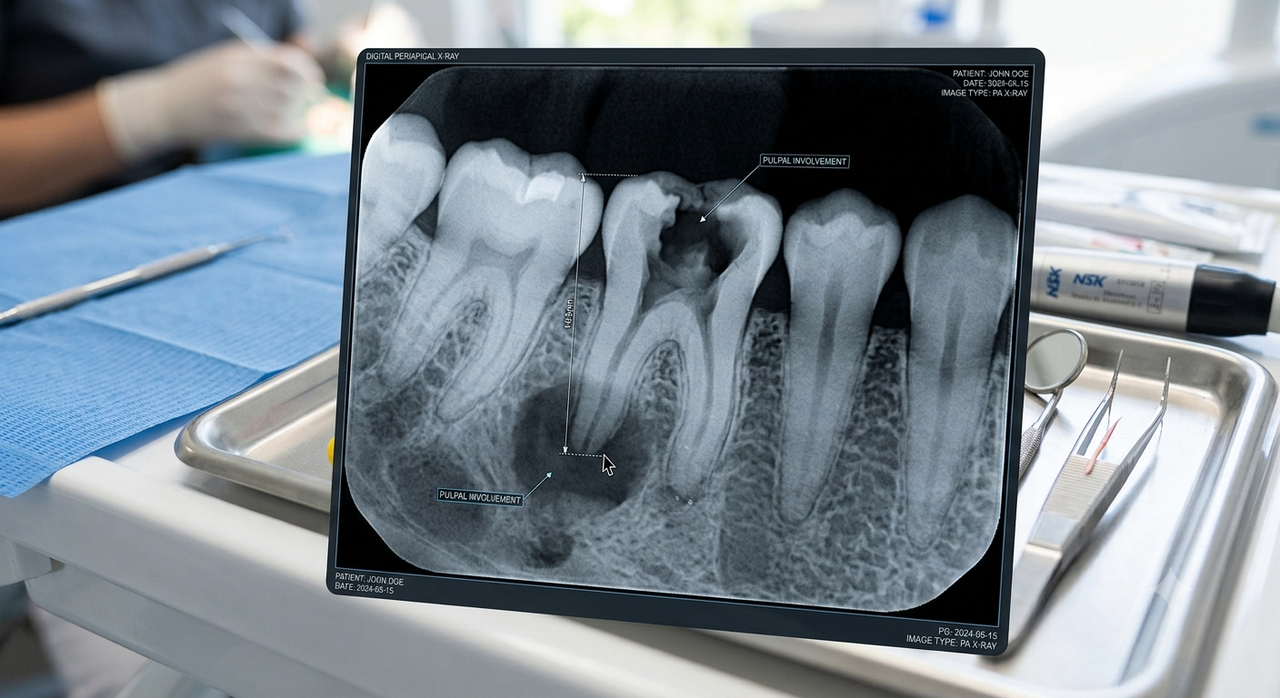
Before any of that, we'll explain why we're recommending a crown, show you the X-rays or photos, discuss materials, and give you a written estimate. Dr. Zhu can walk you through everything in English or Mandarin.
The bottom line
The cost of a crown depends on more than the crown itself. Material, the work the tooth needs first, and your insurance all play a role. Ask for an itemized estimate and an explanation of why a crown is needed. Treating a weak or cracked tooth before it breaks is usually simpler and less expensive than waiting.
Have a tooth that may need a crown? Request an appointment with Ling Zhu DDS Dental in Agoura Hills.
Sources and further reading
American Dental Association, MouthHealthy: Crowns
American Association of Endodontists: Root canal treatment